How Much Does Tree Removal Cost in Houston? (2026 Price Guide)
Most Houston tree removals land somewhere between a few hundred dollars and a few thousand. The spread is wide because the job is wide: a 20-foot crape myrtle in an open front yard and a 70-foot dead water oak leaning over a garage are both “tree removal.” Here is how the price is actually built, so you can read a quote with confidence.
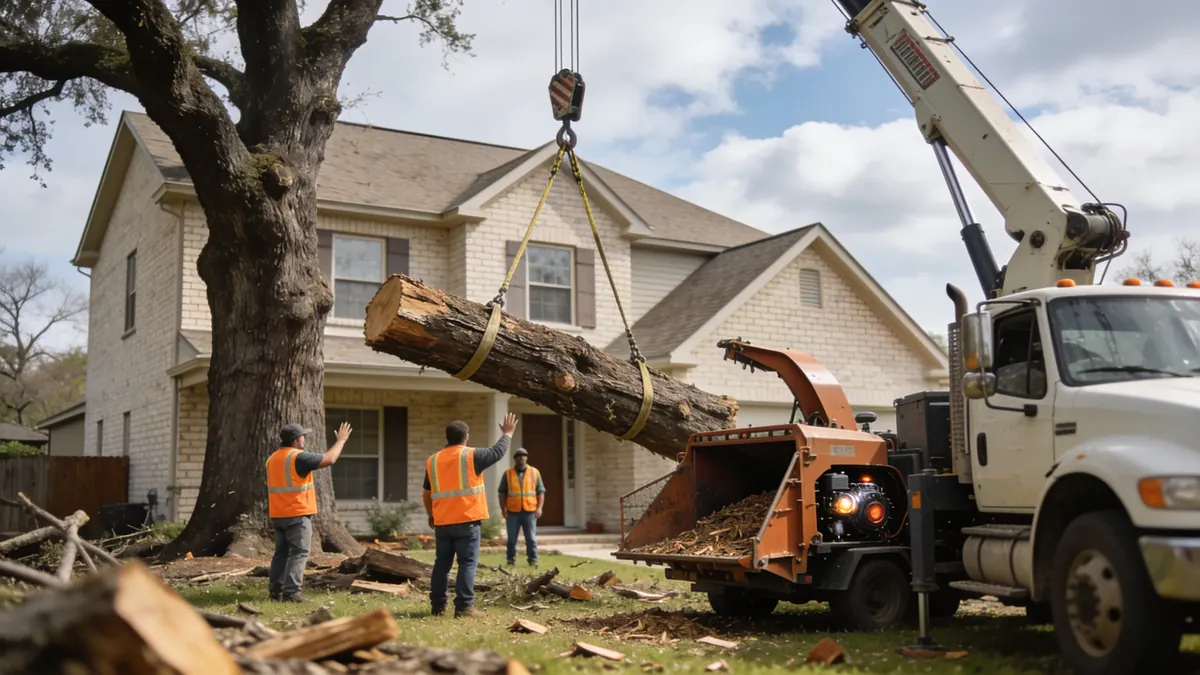
Typical Houston tree removal prices in 2026
Published Houston price surveys from Angi and HomeAdvisor, together with the ranges local companies post, cluster around the figures below. Treat them as a sanity check for the quotes you receive, not as a menu. Every tree is priced on its own size, condition and access.
| Tree size | Typical Houston range | Examples |
|---|---|---|
| Small (under 30 ft) | $150 – $700 | Crape myrtle, young pear, small ornamental, dead sapling |
| Medium (30 – 60 ft) | $450 – $1,500 | Mature water oak, pecan, sweetgum, most pines in open yards |
| Large (60 ft and up) | $1,000 – $2,500+ | Tall loblolly pine, big live oak, large pecan over a house |
| Hazardous or crane-assisted | $2,500 – $5,000+ | Dead tree over a roof, tight zero-lot-line yard, trees in power lines |
| Stump grinding (add-on) | $150 – $600 per stump | Houston average about $350; hardwood and large-diameter stumps cost more |
Angi puts the Houston average at roughly $800 with most projects between about $200 and $2,000. That matches what we see: the middle of the market is a mature medium-sized tree in a yard with decent access.
The seven things that set the price
1. Height and trunk diameter
Taller and thicker means more cuts, heavier wood to lower, and more truckloads to haul. A 24-inch-diameter live oak carries several tons of wood. Diameter matters as much as height: a short, fat pecan can cost more than a tall, skinny pine.
2. Access
Can a chip truck and a lift reach the tree, or does every piece have to be carried through a 36-inch gate? Backyard trees in The Heights, Montrose, West University and Bellaire often cost 30 to 60 percent more than the same tree in a front yard, simply because the crew has to rig and carry instead of drop and chip.
3. What is underneath
A tree over open lawn can be felled in large sections. A tree over a roof, pool, fence, driveway or neighbor’s property has to be dismantled piece by piece and lowered on ropes, or lifted out with a crane. That is where most of the labor, and most of the risk, lives.
4. Condition
Dead and dying trees are more expensive to remove than healthy ones. Dead wood is brittle and unpredictable, so climbers cannot trust it, and the work slows down. Water oaks that have been dead for a season, and pines killed by beetles or drought, are the classic Houston examples.
5. Species
Dense hardwoods such as live oak and pecan take longer to cut and weigh more per truckload than pine or hackberry. Thorny or sappy species add cleanup time.
6. Power lines
Trees growing into CenterPoint’s primary lines need coordination with the utility’s forestry team before anyone cuts. Trees near the service drop to your house can usually be handled with care and clearance. Either way, lines change the plan and the price.
7. Timing
Emergency, after-hours and post-storm work costs more because crews mobilize without a schedule and demand spikes. In the weeks after Hurricane Beryl in July 2024, lead times across Houston stretched to days or weeks and prices rose with them. If a tree is a hazard, do not wait, but if it is simply dead and stable, scheduling it in the off-season saves money.
Rule of thumb: if a quote looks far below the ranges above, ask what is left out. The usual gaps are stump grinding, hauling the wood, cleanup, and insurance. A crew without workers’ compensation coverage is cheap until someone is hurt in your yard.
What should be in a Houston tree removal quote
- Scope in writing: which tree, cut to what height (flush cut or grind), wood hauled or left, debris chipped, lawn raked and blown.
- Proof of insurance: a certificate for general liability and workers’ compensation, issued to you by the insurer if you ask.
- Protection plan: how the crew will protect lawns, driveways, fences, sprinkler heads and your neighbor’s property.
- Permit responsibility: who confirms whether the tree is in the right-of-way or covered by a suburb’s ordinance.
- Payment terms: payment on completion, after your walkthrough. Be cautious about large cash deposits, especially after a storm.
How Houston Tree Care Pros prices a removal
We do not publish flat prices because they would be wrong for half the trees in Houston. What we do is simple: you send photos or we visit, we explain exactly how we would take the tree down and what equipment it needs, and you get a written estimate with every line itemized. If pruning would solve the problem for a third of the cost, we will tell you that too. Estimates are free, and the price you approve is the price you pay.
Frequently asked questions
Is it cheaper to remove a tree that has already fallen?
Sometimes, but not always. A tree lying flat in an open yard is quick work. A tree resting on a roof, a fence or another tree is under tension, which makes cutting slower and more dangerous, and often needs rigging or a crane. Storm-time demand also pushes prices up. Expect emergency and storm work to cost more than the same tree removed on a calm week.
Does tree removal include the stump?
Usually not. Most Houston quotes price the tree to a low stump (flush cut) and list stump grinding as a separate line, typically a few hundred dollars depending on diameter. Ask for both numbers so you can decide.
Do I need a permit to remove a tree on my property in Houston?
On most single-family residential lots inside the City of Houston, no city permit is needed for a tree on your own property. Trees in the public right-of-way (between the curb and your property line) do need a Parks and Recreation permit, and several suburbs such as West University Place and Bellaire have their own ordinances. See our Houston tree permit guide.
What is the cheapest time of year to remove a tree in Houston?
Late fall and winter are usually the slowest months for Houston tree crews, so scheduling is easier and prices are steadier. The most expensive time is the two to four weeks after a major storm, when every crew in the region is booked.
Will my homeowner’s insurance pay for tree removal?
Policies commonly include a limited benefit for removing a tree that has damaged a covered structure such as the house, garage or fence. Removing a standing tree, even a dead one, is generally not covered. Check your policy’s debris-removal wording and photograph everything before cleanup starts.
Want an exact number for your tree?
Send us two photos (the whole tree and the base) and we will tell you what we would do and what it costs. Free, written, no obligation.
Get a Free EstimateCall (832) 568-7355Keep Reading
More Houston tree care guides
Keep reading, or call us and ask.
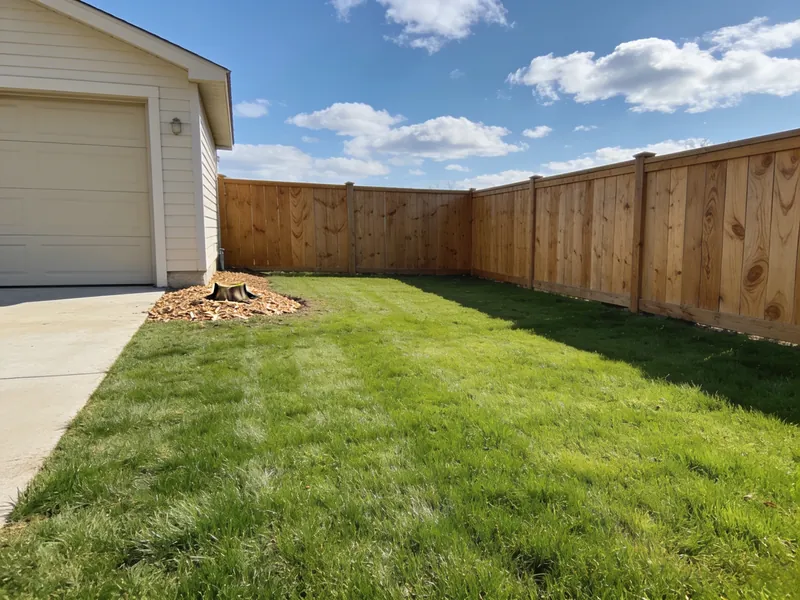
Do You Need a Permit to Remove a Tree in Houston?
City of Houston right-of-way rules, the residential exemption, and the suburbs with their own tree ordinances.
Read the guide →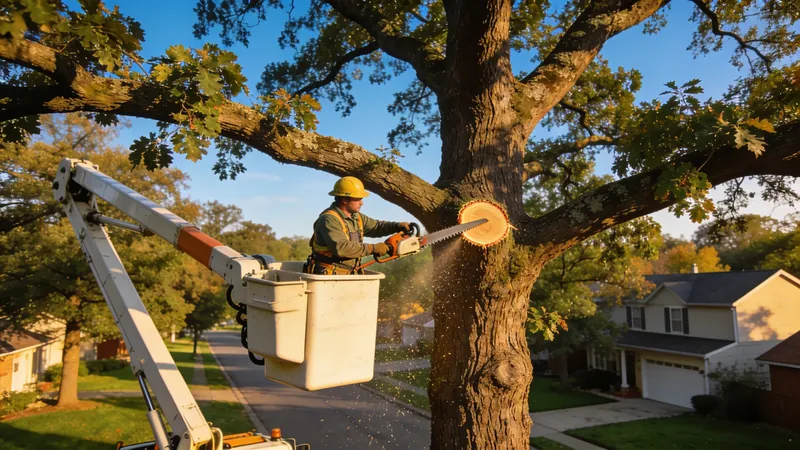
When to Trim Oak Trees in Houston
The February-to-June no-prune window, why wounds get painted, and the right months for structural work.
Read the guide →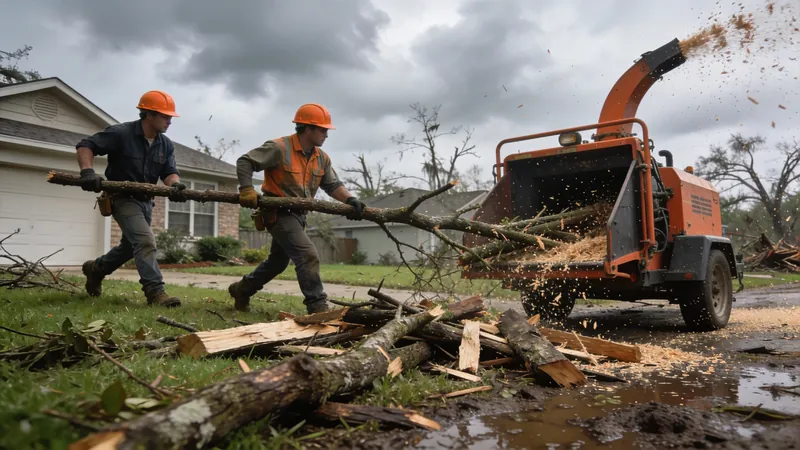
Hurricane Season Tree Prep for Houston
Which trees fail in wind, what to prune before June, power line rules, insurance photos and post-storm safety.
Read the guide →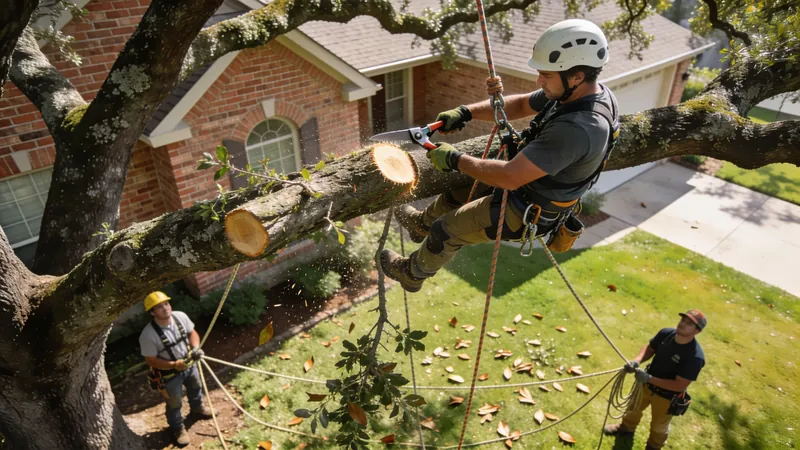
How Much Does Tree Trimming Cost in Houston?
2026 price ranges by tree size, what drives the quote, and how often Houston trees actually need it.
Read the guide →Request a Free Estimate
Tell us about your trees — we usually respond within one business hour.