Why Water Oaks Are Dying Across Houston (and What to Do About Yours)
If a big oak in your Houston yard dropped half its leaves early, is shedding bark in patches, or lost a limb for no reason, there is a good chance it is a water oak. Thousands of them were planted when Houston’s post-war neighborhoods were built, and they are reaching the end of their lives together. Here is why it is happening, how to read the signs, and when removal is the responsible choice.
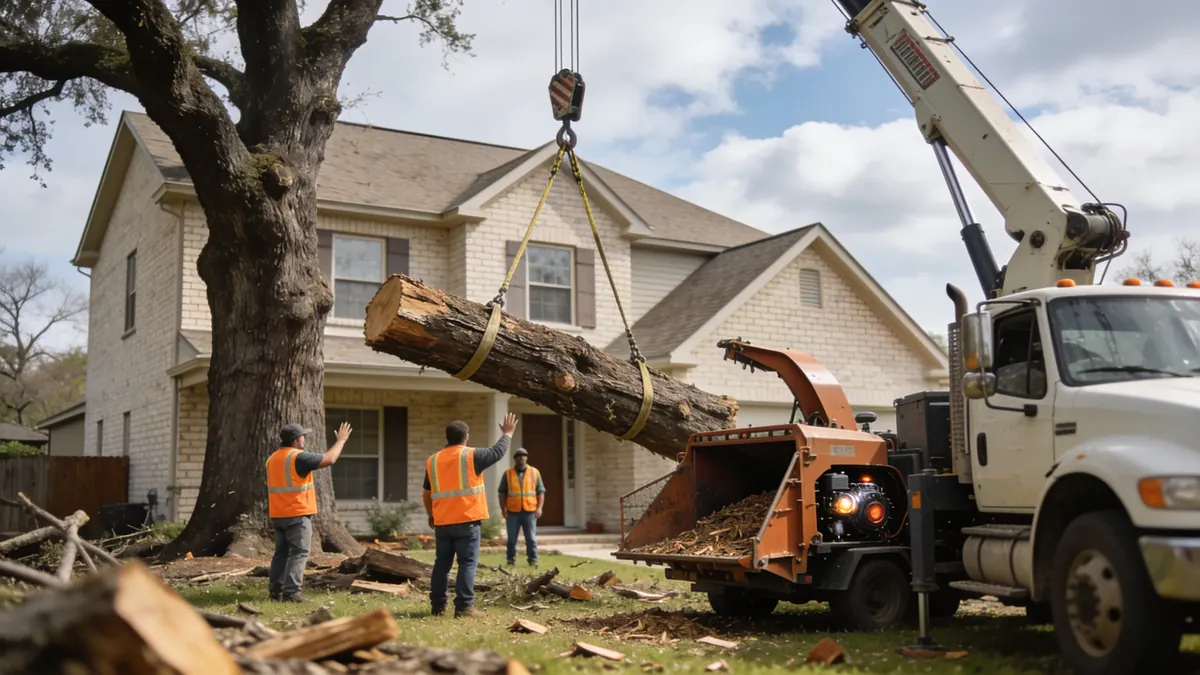
Key takeaways
- Houston's post-war water oaks are reaching the end of their lives together, pushed by the 2011 drought, the 2021 freeze and repeated floods.
- Bark sloughing off to show a gray-to-black crust is hypoxylon canker: the tree will not recover and is becoming brittle.
- Save a water oak only if more than two-thirds of the crown is healthy and the trunk is sound; otherwise schedule removal before storm season.
Why so many at once
Water oak (Quercus nigra) was the default shade tree for builders in Houston from the 1940s through the 1970s. It is native, it grows fast, it tolerates wet feet, and it was cheap. Entire streets in Meyerland, Bellaire, Oak Forest, Spring Branch, Westbury and Sharpstown were planted with it in the same few years. Those trees are now 55 to 80 years old, which for a water oak in a yard is old age. Fast-growing oaks build wood quickly and decay quickly; the same trait that gave a new subdivision shade in fifteen years means hollow trunks and heavy dead limbs half a century later.
The last fifteen years have been hard on them:
- The 2011 drought killed roots that never fully regrew, and the trees have been carrying that damage since.
- The February 2021 freeze split bark and killed cambium on the south and west sides of many trunks. Those wounds are where cankers started.
- Floods and saturated soil (Harvey in 2017, the 2024 derecho and Beryl) loosened root plates and drowned fine roots.
- Construction and compaction: driveways widened over the roots, trenching for new utilities, new houses built closer to old trees.
Stressed water oaks are then finished off by a fungus they have carried all their lives.
Hypoxylon canker: the usual last chapter
Hypoxylon canker (Biscogniauxia atropunctata) lives harmlessly in the bark of most oaks. When a tree is weakened by drought, flooding, freeze or root damage, the fungus takes over the sapwood. The Texas A&M Plant Disease Diagnostic Lab describes the pattern: yellowing or undersized leaves, thinning crown, dead branches, then patches of bark sloughing off to reveal a gray, tan or silver crust that turns black and crusty with age. Dieback moves branch to branch until the tree is dead. There is no cure once the fungus is visible on the trunk; by then the wood underneath is already decayed and the tree becomes brittle and dangerous faster than people expect.
Water oaks and laurel oaks are the species most often lost to it in Houston, with post oaks close behind where construction has disturbed roots.
Signs your water oak is in trouble
| What you see | What it usually means | Urgency |
|---|---|---|
| Thinning crown, smaller or yellow leaves, dead twigs at the top | Root stress; early decline | Low: water deeply, mulch, get an assessment |
| Large dead limbs, bark falling off branches | Advanced decline; limbs will drop | Medium: prune deadwood now, plan for removal |
| Bark peeling on the trunk showing gray, tan or black crust | Hypoxylon canker; internal decay | High: tree will not recover; remove before it fails |
| Mushrooms or shelf fungi at the base, soft or hollow-sounding trunk | Root or butt rot | High: whole-tree failure risk, especially in wind |
| New lean, soil cracking or heaving on one side | Root plate failing | Emergency: keep people and cars clear, call now |
| Carpenter ants streaming in and out, sawdust at the base | Ants nesting in decayed wood (they do not cause it) | Medium: confirms hidden decay |
Save it or remove it?
This is the most common question about declining oaks, and the honest answer depends on three things: how much of the tree is still alive, whether the trunk is sound, and what it would hit if it failed.
- Worth trying to save: more than two-thirds of the crown is healthy, no canker on the trunk, no fungus at the base, and the stress has an identifiable cause you can fix (drought, lawn-chemical damage, a recent trench). Deep watering during dry spells, 3 inches of mulch out to the drip line, removal of deadwood, and no fertilizer until the tree recovers.
- Remove on a schedule: canopy is one-third to one-half dead, dead limbs over the house or driveway, early canker on branches. The tree may stand for years, but it will keep dropping wood and it will not improve. Scheduled removal in the off-season costs far less than an emergency.
- Remove now: trunk canker, basal decay, hollow sound, a lean, or a dead crown. These are the trees that come down in the next storm, and after Beryl, water oaks with exactly these signs were a large share of the trees that came down on Houston roofs (Houston Landing, Texas A&M Forest Service).
Liability note: a dead or visibly hazardous tree is a different legal situation from a healthy tree that falls in a storm. If you know a tree is dying and it damages a neighbor’s house, the neighbor’s insurer may come after you. Photograph the tree, get a free written estimate, and act on it.
What replaces a water oak
Do not plant another water oak. For a long-lived shade tree in Houston clay, we usually suggest live oak (slow but nearly indestructible), bur oak, Shumard oak, Nuttall oak, bald cypress in wetter spots, or Mexican sycamore. Plant in fall, water the first two summers, and keep the lawn mower away from the trunk. A 15-gallon tree planted well will outgrow a struggling 65-gallon tree within five years.
Frequently asked questions
How long do water oaks live?
Forest references list long potential lifespans, but in Houston yards water oaks are usually in decline by 50 to 70 years. Compacted clay soil, construction over the roots, repeated droughts and the 2021 freeze shorten that further. A water oak planted in the 1960s is an old tree.
How do I know if my oak is a water oak?
Look at the leaves: water oak leaves are small, spoon or paddle shaped, often with a slightly three-lobed tip, and the tree holds many of them late into winter. The bark is gray and relatively smooth when young, becoming darker and furrowed with age. Live oak leaves are oval, leathery and evergreen; red oak leaves have pointed lobes.
Can a declining water oak be saved?
Sometimes, if the problem is stress rather than decay. Deep watering during drought, mulch over the root zone, no fertilizer during stress, and removing deadwood can buy years. Once hypoxylon canker is visible on the trunk or the canopy is more than a third dead, the tree is not coming back and becomes a hazard.
Is hypoxylon canker contagious to my other trees?
The fungus is already present on healthy oaks everywhere; it only takes over trees that are badly stressed. Keeping your other oaks watered and unwounded matters more than isolating the sick tree. Do not pile infected wood against healthy trunks.
Does the City of Houston require a permit to remove a dead water oak?
On a single-family residential lot, no city permit is needed for a tree on your own property. Trees in the right-of-way need a Parks and Recreation permit, and some suburbs regulate by size. See our permit guide.
Not sure if your oak is a water oak, or whether it is still safe?
Send two photos, the whole tree and the base of the trunk. We will tell you what we see and what we would do, in writing and for free.
Get a Free EstimateCall (832) 568-7355Keep Reading
More Houston tree care guides
Keep reading, or call us and ask.
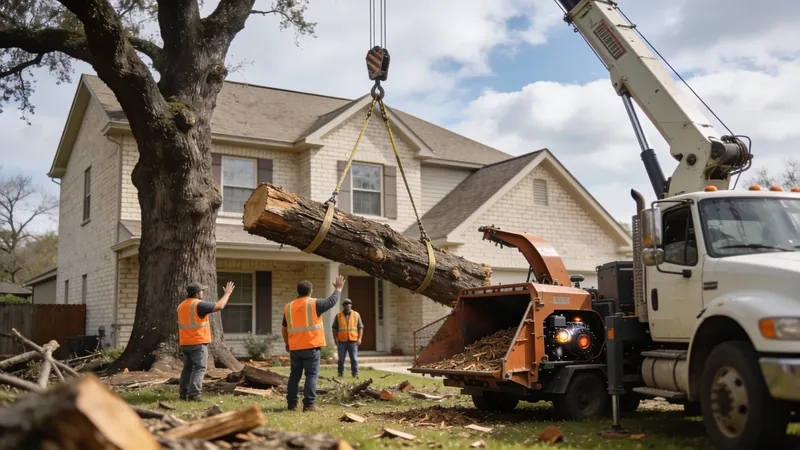
How Much Does Tree Removal Cost in Houston?
Typical 2026 price ranges by tree size, the factors that move the number, and how to compare quotes.
Read the guide →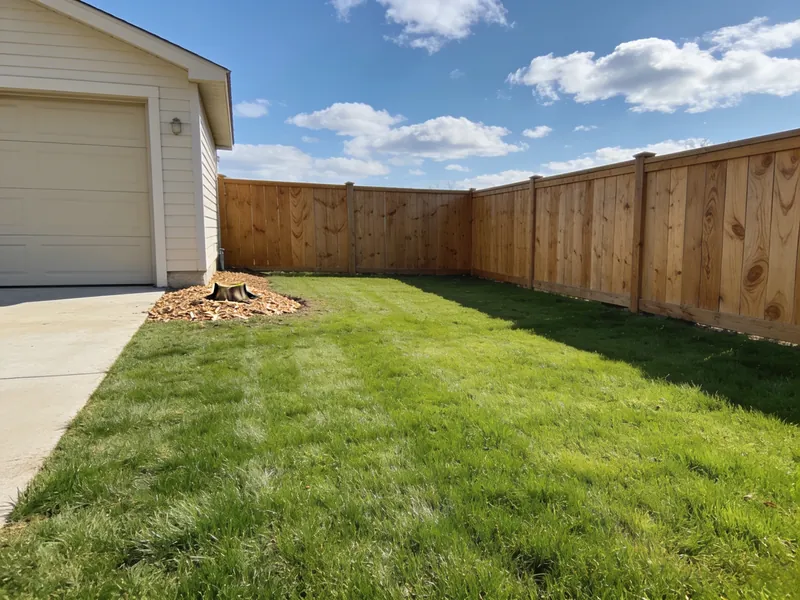
Do You Need a Permit to Remove a Tree in Houston?
City of Houston right-of-way rules, the residential exemption, and the suburbs with their own tree ordinances.
Read the guide →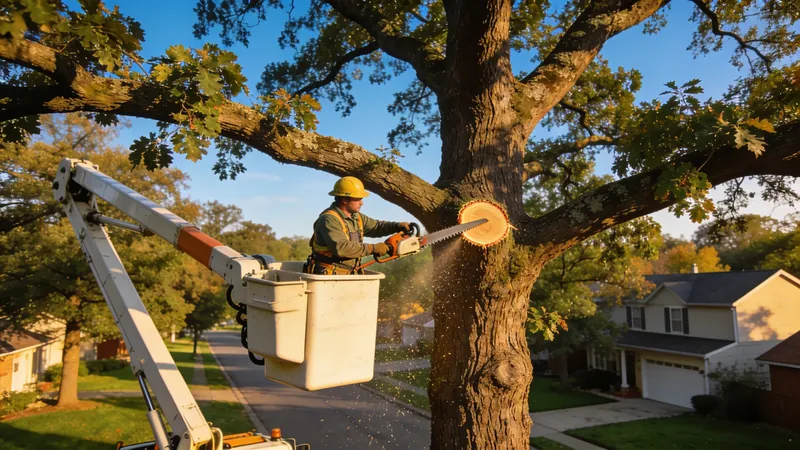
When to Trim Oak Trees in Houston
The February-to-June no-prune window, why wounds get painted, and the right months for structural work.
Read the guide →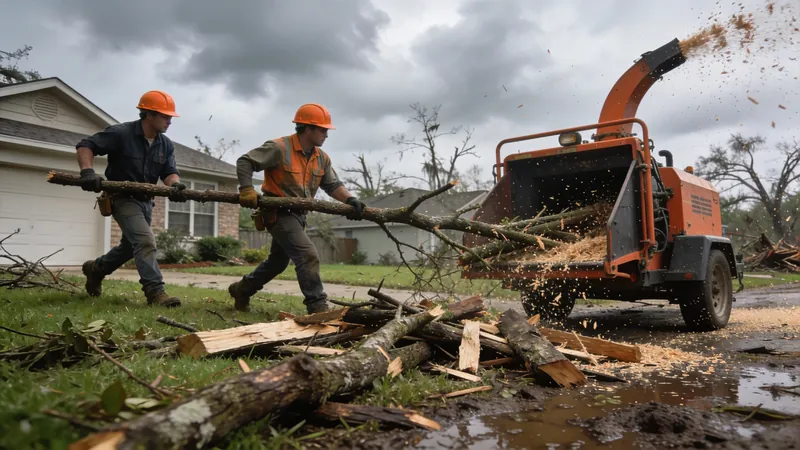
Hurricane Season Tree Prep for Houston
Which trees fail in wind, what to prune before June, power line rules, insurance photos and post-storm safety.
Read the guide →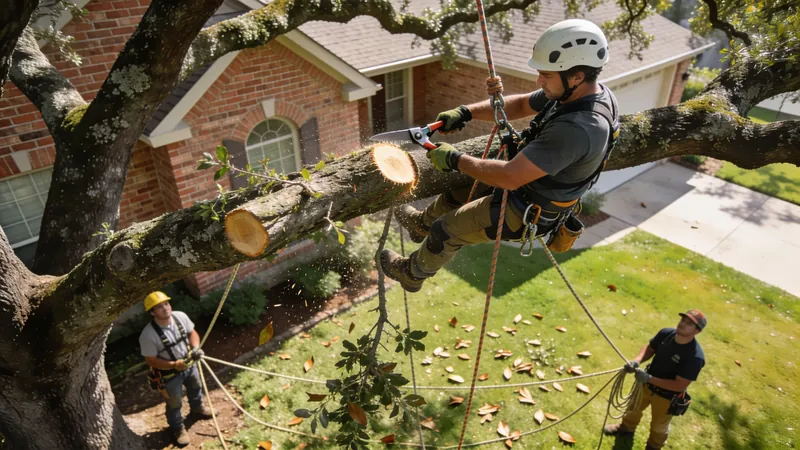
How Much Does Tree Trimming Cost in Houston?
2026 price ranges by tree size, what drives the quote, and how often Houston trees actually need it.
Read the guide →Request a Free Estimate
Tell us about your trees and we'll reply with a free written estimate.